


India and Bangladesh have signaled a renewed effort to strengthen bilateral relations under the new Bangladesh Nationalist Party (BNP) government, following high-level meetings in New Delhi this week. External Affairs Minister S. Jaishankar hosted Bangladesh’s Foreign Minister Khalilur Rahman and Prime Minister Tarique Rahman’s Foreign Affairs Adviser Humayun Kobir from April 7–9, marking the first senior bilateral visit since the BNP took office in February 2026.
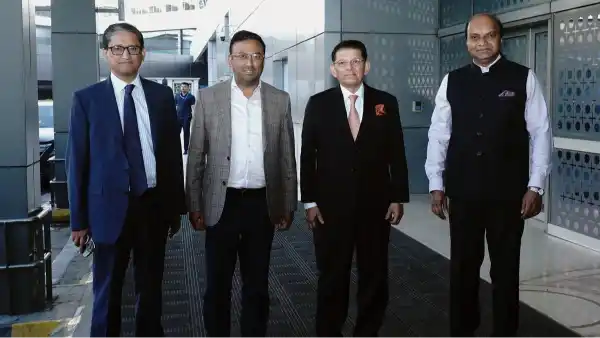
The visit underscored Dhaka’s “Bangladesh First” policy, with Mr. Khalilur Rahman reiterating the new government’s intent to prioritize national interests in foreign affairs. Bangladesh formally renewed its request for the extradition of former Prime Minister Sheikh Hasina and former Home Minister Asaduzzaman Khan Kamal, both sentenced to death by the International Crimes Tribunal (ICT) in Dhaka for crimes against humanity. Sources indicated, however, that broader bilateral relations would not be “held hostage” by these requests.
The MEA described the meetings as constructive, noting India’s desire to engage with the new government and strengthen bilateral ties. Both sides agreed to explore proposals for deepening partnership through established mechanisms, with follow-up official meetings planned soon. Discussions covered multiple areas, including regional and global developments, security cooperation, and ongoing bilateral issues.
On security, Bangladesh reassured India that its territory would not be used against Indian interests, and the new government does not plan to pursue security arrangements with countries like the U.S., China, or Pakistan. Dhaka also expressed appreciation to India for apprehending suspects in the killing of student leader Osman Hadi, and both countries agreed that the accused would be returned under the 2013 bilateral extradition treaty.
Other practical issues were discussed as well. Bangladesh sought higher supplies of diesel and fertilizer, with India agreeing to consider requests favorably. Visa facilitation for Bangladeshi nationals, especially for medical and business purposes, was also addressed, following prior disruptions after the Hasina government’s ouster in August 2024.
The visit was the first by a senior BNP official since the party assumed office and came after India’s early outreach to the new government, including S. Jaishankar attending the funeral of Khaleda Zia in Dhaka and meeting Tarique Rahman in late 2025. Additional Indian delegations, including Lok Sabha Speaker Om Birla and Foreign Secretary Vikram Misri, also attended the BNP swearing-in ceremony.
Key bilateral projects like the India-Bangladesh Friendship Pipeline, providing up to 180,000 tonnes of diesel annually from India to Bangladesh, were also part of discussions, with the first shipment of 20,000 tonnes scheduled amid energy shortages caused by regional tensions.
Overall, the talks signal a careful balance between addressing sensitive judicial requests and expanding cooperation across trade, energy, security, and diplomatic channels, reflecting India’s intent to cultivate a stable and constructive relationship with the new BNP-led government in Dhaka.
