


India plans to increase the adoption of electric cooking stoves as households face LPG shortages caused by ongoing tensions in West Asia. The government is exploring financial support models, including zero-interest loans through state-run Energy Efficiency Services Ltd (EESL).
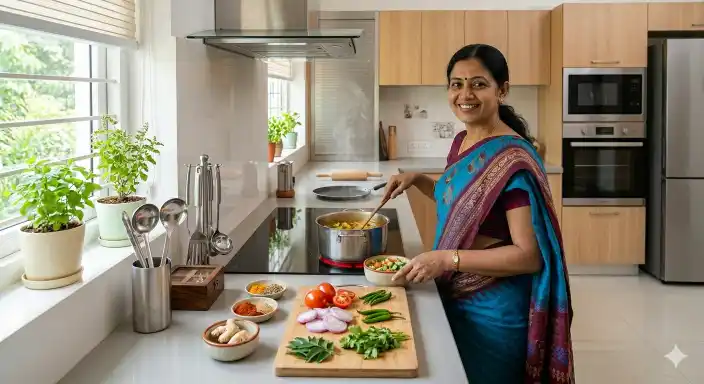
Expanding the National Efficient Cooking Programme
The three-year-old National Efficient Cooking Programme (NECP) may be redesigned to meet rising demand. A proposed model could have a third party, such as a multilateral financial institution, subsidize interest on EMIs, reducing the cost for lower-income consumers. Currently, the NECP does not offer interest subsidies.
Financing Discussions
EESL is reportedly in talks with institutions like the World Bank and ADB to support interest subsidies. Under the potential scheme, consumers would pay only the principal for induction stoves, with financial partners covering the interest.
Rising Demand and Supply Efforts
Demand for electric cooktops surged sharply after LPG shortages, with some e-commerce sales increasing 30 times in just two days. Prices have risen modestly, and EESL has scaled up procurement, issuing tenders for hundreds of thousands of units.
Revising Deployment Targets
The NECP initially aimed to deploy 1 million induction stoves by FY27, later reduced to 500,000 due to weak demand. Renewed interest may prompt the programme to revise its targets and expand phased deployments.
Domestic Manufacturing and Policy Support
The government is reviewing ways to boost domestic production of cookstove components like glass, coils, PCBs, and fans, mostly imported from China. Industry has requested customs and GST reductions to support local manufacturing.
Long-Term Energy Strategy
This push aligns with India’s broader energy goals. With 65% of its 33 million-tonne LPG demand imported, mostly from West Asia, promoting electric cooking reduces dependence on imports and ensures energy security while supporting households during the ongoing crisis.
