


Cooperation Minister Amit Shah informed Parliament on Wednesday that Bharat Taxi, the government-supported cooperative ride-hailing platform, is facing initial challenges. These include strong competition from established private players like Ola and Uber, as well as hesitancy among some driver-partners to adopt digital tools.
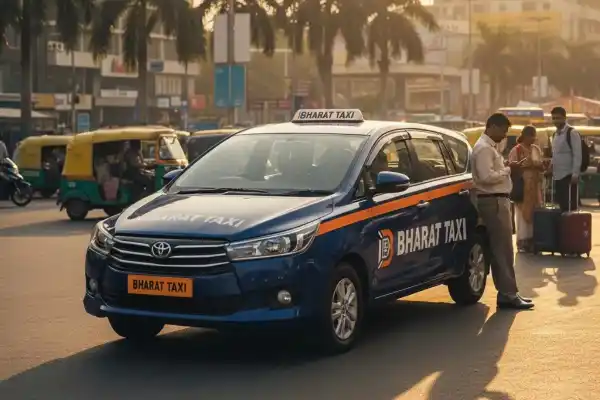
In a written response to a Rajya Sabha query, Shah said the government is addressing these issues through welfare programs, awareness campaigns, driver training, enhanced user experience, and e-governance solutions.
Bharat Taxi, registered under the Multi-State Cooperative Societies Act, 2002, was founded on June 6, 2025, by eight national-level cooperative institutions and officially launched on February 5 this year.
As of March 23, the platform had around 4.31 lakh driver-partners on board. Currently, the service operates in Delhi-NCR and the Gujarat cities of Ahmedabad, Rajkot, and Surat, with driver onboarding underway in Chandigarh and Lucknow. The government plans a phased expansion to Tier 2 and Tier 3 cities, eventually reaching district and tehsil levels nationwide within the next three years.
Shah outlined several measures to encourage adoption, including city-specific growth plans, awareness drives, and driver onboarding programs with welfare provisions. “The focus remains on ensuring sustainable earnings, social security, and long-term empowerment of driver-partners through cooperative ownership,” he said.
Unlike traditional ride-hailing services, Bharat Taxi runs on a subscription-based cooperative model where drivers are members and stakeholders, not just service providers. Its key features include zero commission, transparent fares, and cooperative governance, all designed to maximise earnings for drivers.
The platform also aims to tackle long-standing issues in the gig economy by eliminating commission-based exploitation, promoting participatory decision-making, providing access to social security, and offering commuters safe and affordable rides.
