


Over 3 million officials in India will spend the next year counting every person in the country, undertaking the world’s largest population survey, which was delayed in part due to the COVID-19 pandemic. Originally scheduled for 2021, the census will begin on April 1, with a brief window for citizens to register online, the government said on Monday.
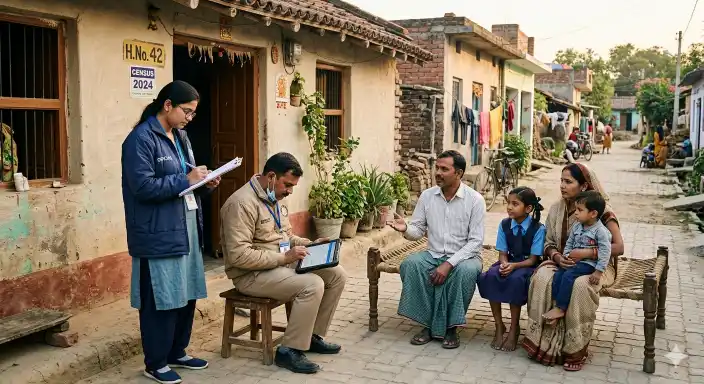
The census will then proceed in two physical phases. The first phase will record houses and housing conditions, while the second will document inhabitants and their social and economic details, Census Commissioner Mritunjay Kumar Narayan told reporters.
With a population exceeding 1.4 billion, India became the world’s most populous nation in 2023, overtaking China, according to the United Nations Population Fund. Analysts see India’s large, predominantly young population as an opportunity for economic growth and a skilled workforce, in contrast to other major economies facing aging workforces.
The census will also collect information on castes, a centuries-old social system that continues to influence politics and daily life. Many state institutions provide affirmative action quotas for lower castes in employment and education, and numerous caste-based political parties exist. Supporters argue caste data is needed to identify those eligible for government assistance, while critics contend caste should not factor into policy in a country aiming to become a global power.
Caste information was last recorded in 2011, the first time in 80 years, but the data was not fully released due to accuracy concerns. The census, which is being digitally recorded for the first time, is expected to conclude next March, with several datasets scheduled for release shortly afterward.
