


The government has made it mandatory for households with piped natural gas (PNG) connections to give up their subsidized domestic LPG connections. As of March 28, around 6,000 PNG users have already complied. This step is intended to ensure LPG cylinders are available for households without PNG access, especially amid global energy disruptions. Authorities are encouraging more PNG consumers to voluntarily surrender their LPG connections to help those in need.
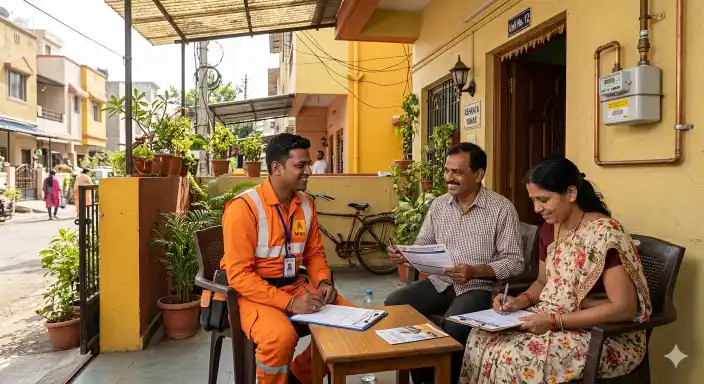
On March 14, the Ministry of Petroleum and Natural Gas updated the Liquefied Petroleum Gas (Regulation of Supply and Distribution) Order, 2000, under the Essential Commodities Act. The new rules prevent households with PNG from keeping or applying for subsidized LPG, and bar oil companies from issuing new connections or refilling existing ones for such consumers.
Petroleum and Natural Gas Secretary Neeraj Mittal thanked those who have already surrendered their LPG and urged others to follow suit, calling it a contribution to help families without piped gas.
India depends heavily on imports for its energy needs—about 88% of crude oil, 50% of natural gas, and 60% of LPG come from abroad, with much of it sourced from West Asia. The recent escalation following US-Israel strikes on Iran and Tehran’s retaliatory actions has disrupted supplies, especially via the Strait of Hormuz, a key route for Gulf energy exports.
While crude oil shortages have been partially mitigated by imports from Russia, gas supplies to industries have been reduced, and commercial LPG availability has declined. Household and transport supplies are being prioritized. PNG and CNG users continue to receive full supply, while industrial and commercial consumers are getting around 80% of their usual quota, and fertilizer plants are operating at 70–75% capacity. Additional LNG shipments are being arranged to meet demand.
The government is also accelerating the expansion of city gas distribution networks, simplifying approvals, and encouraging a shift from LPG to PNG. Over 2.9 lakh new PNG connections were added in March alone, supported by incentives from companies like Indraprastha Gas, Mahanagar Gas, GAIL Gas, and BPCL.
Despite the disruptions, LPG deliveries remain stable, with more than 55 lakh cylinders supplied daily. Measures to prevent diversion and black marketing have been strengthened, including nearly 2,900 raids and seizure of about 1,000 cylinders. Commercial LPG supply has recovered to around 70% of pre-crisis levels, prioritizing hospitality, food services, and key industries.
To manage overall supply, kerosene allocations to states have been increased, monitoring and reporting have been tightened, and the public has been urged not to spread or believe rumors. Households with PNG, including renters, are required to transition from LPG, treating gas as a basic utility like electricity or water. About 60 lakh consumers are eligible for the shift, and 2.2 lakh have already transitioned in recent days.
The government aims to reach 12.6 crore PNG connections by 2032 as part of its long-term plan to expand city gas distribution across India.
