


India’s cooperative ride-hailing platform, Bharat Taxi, which offers cab, auto, and bike services, has crossed 2.73 million total downloads according to Sensor Tower data. Most installs came from Android users, with 84.2% (2.30 million) downloads via Google Play, while 15.8% (433K) were from iOS users. After the initial surge, downloads fell sharply but stabilized through late February and March.
Government Launch and Driver-Owned Model
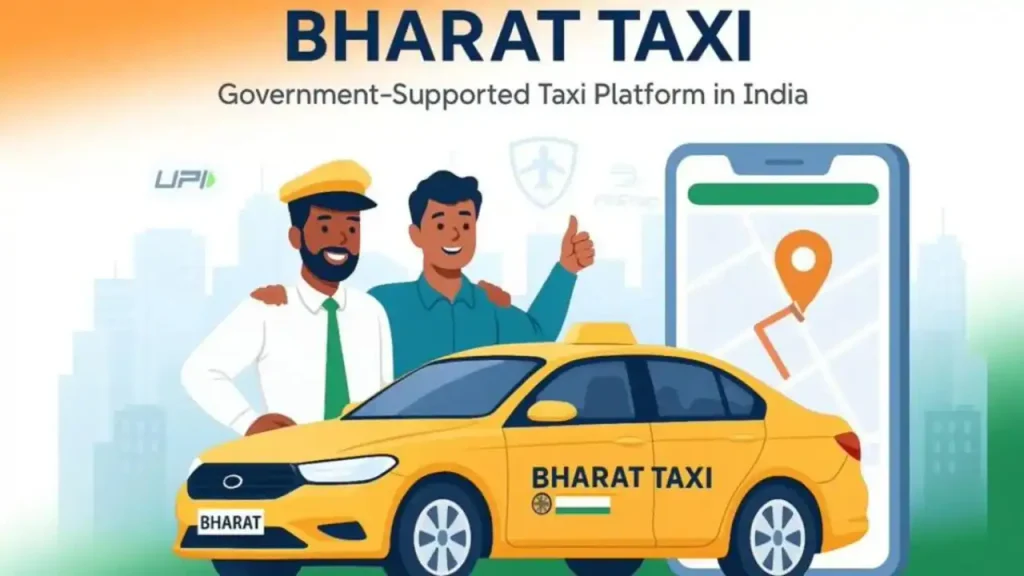
Union Home and Cooperation Minister Amit Shah officially launched Bharat Taxi on February 5, 2026, marking India’s first cooperative-based ride-hailing platform. Designed to compete with private players like Ola, Uber, and Rapido, the platform follows a driver-ownership model, with each driver holding five shares and no commission deducted per ride. Reports suggest drivers also benefit from a guaranteed minimum rate per kilometre and receive 80% of the profits.
Awareness Drive and Vehicle Registration
The launch included a large driver awareness rally, and around 2.5 lakh vehicles were expected to be registered initially. As of now, the platform is operational in Delhi, Gurugram, Noida, Faridabad, and Ghaziabad (Delhi-NCR), as well as Ahmedabad, Rajkot, Somnath, and Dwarka in Gujarat. In the Lok Sabha, Amit Shah reported 21.34 lakh registered users and 2.31 lakh registered drivers, or “Sarathis,” as of March 1.
User Interest and Market Performance
Bharat Taxi showed strong traction during its launch, and steady user engagement suggests ongoing demand. Its long-term success will depend on expanding its driver base and competing effectively with established ride-hailing platforms.
Concerns Over Pricing
Some users have noted that fares on Bharat Taxi are higher than competitors like Uber, Ola, and Rapido. For example, rides from Sector 39, Gurugram, to Qutub Minar or Old Delhi Railway Station were around 20–30% more expensive. While the platform offers stable, no-surge pricing, it currently comes at a premium compared to alternatives.
Changing Ride-Hailing Landscape
The Indian ride-hailing market has shifted in recent years, with Rapido leading by ride volume, followed by Uber, while Ola has dropped to third place. Initial downloads for Bharat Taxi were expected given the hype, but driver adoption and handling early challenges will be key tests for the platform.Looking Ahead
Higher fares, if not balanced with driver benefits, could limit adoption. Despite the platform’s strong consumer goodwill and government backing, its long-term performance will hinge on execution, driver satisfaction, and competitive pricing. Missteps could undermine the potential of what many see as a promising new model in India’s ride-hailing sector.
