


Amid rising tensions in West Asia affecting global energy supplies, the Indian government has expanded the CBG-CGD Synchronisation Scheme to allow compressed biogas (CBG) injection into the gas pipeline network. The move aims to strengthen domestic energy resilience as international supplies face uncertainty.
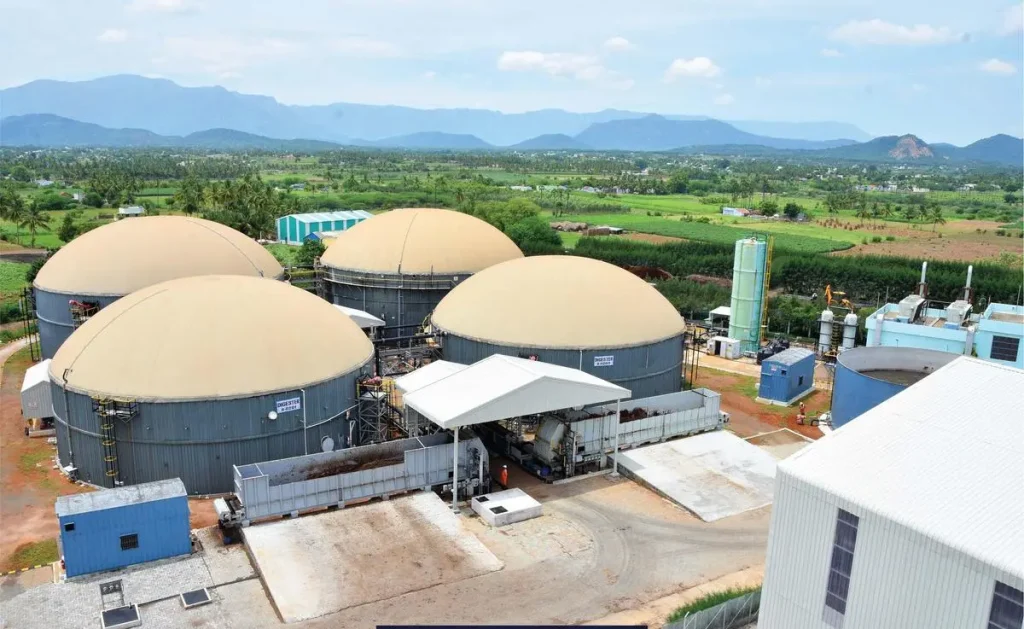
Scope Expansion by Ministry of Petroleum and Natural Gas
A senior official said the Ministry of Petroleum and Natural Gas (MoPNG) extended the Synchronisation Scheme to enable co-mingling of domestic gas for city gas distribution (CGD) networks, covering both CNG (transport) and PNG (domestic) segments. The revised scheme guidelines, issued in August last year, now explicitly include CBG injection into pipelines.
Boosting CBG Offtake and Utilisation
The scheme is designed to facilitate efficient offtake of CBG from production sites to consumption centres via pipelines. Benefits include assured offtake for producers, lower logistics costs due to direct pipeline connectivity, uniform pricing, and reduced dependence on imported natural gas.
West Asia Conflict Disrupts LNG Supplies
The expansion comes as tensions escalate in West Asia, following attacks on the South Pars gas field by Israel and retaliatory strikes by Iran targeting oil and gas infrastructure across Qatar, Saudi Arabia, the UAE, and Kuwait. India sources nearly 47% of its liquefied natural gas (LNG) from Qatar, making domestic supply security a priority.
Relief for Domestic Gas Segments
A CGD company official noted that the policy will help address shortfalls in domestic PNG and transport CNG supplies. The government has ensured full supply to these priority segments while regulating industrial and commercial allocations to around 80%.Push to Expand PNG Connections
The government is also promoting a shift from commercial LPG to PNG, activating over 1.25 lakh new PNG connections for domestic, commercial, industrial, and transport use to improve energy access and security.
