


India is home to several mighty rivers that sustain millions of people and a diverse range of wildlife. Among these, one river is often called the “Amazon of India” because of its size, strength, and rich ecosystem.
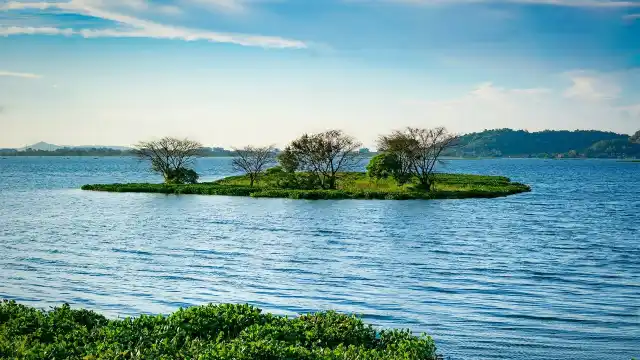
This river flows through forests, hills, and fertile plains, supporting agriculture, transportation, and countless species. Towns and cultures have developed along its banks for centuries, and its abundant waters create a vital natural environment.
The river referred to as the “Amazon of India” is the Brahmaputra. It is one of Asia’s largest and most powerful rivers, carrying vast amounts of water across plains and forests, much like the Amazon in South America. Its flow, biodiversity, and wide channels have earned it this nickname.
Origin and Course
The Brahmaputra begins in the Himalayas at the Angsi Glacier near Mount Kailash in Tibet. Known there as the Yarlung Tsangpo, it flows east across the Tibetan Plateau, enters India through Arunachal Pradesh as the Siang or Dihang, and becomes the Brahmaputra in Assam. From Assam, it continues into Bangladesh, merging with the Ganges before reaching the Bay of Bengal.
Why It’s Called the Amazon of India
- Enormous Water Volume: The Brahmaputra carries more water than any other Indian river. During the monsoon, it can expand over 10 kilometers wide, often causing floods that reshape the land.
- Rich Biodiversity: Its basin supports rare species like the Indian one-horned rhinoceros, Ganges river dolphin, and Royal Bengal tiger. Dense forests and wetlands along the river sustain a thriving ecosystem.
- Braided Channels: Instead of a single path, the river splits into multiple channels, forming islands and sandbars, similar to the Amazon’s patterns.
- Fertile Floodplains: The silt it carries enriches the land, making it highly productive for farming.
Interesting Facts
- It is one of the few rivers in India considered masculine, as its name means “Son of Brahma.”
- Majuli, on the Brahmaputra, is the world’s largest river island, celebrated for its culture and lifestyle.
- Some stretches of the river are over 120 meters deep.
- Its course constantly changes due to erosion and flooding, creating new islands and sandbanks over time.
Importance
The Brahmaputra is vital for drinking water, agriculture, fisheries, and transportation. It sustains forests, wetlands, and wildlife reserves, helping maintain ecological balance in northeastern India.
