


Amazon’s cloud division, AWS, confirmed on Monday that drone strikes affected its facilities in the United Arab Emirates (UAE) and Bahrain amid ongoing tensions in the Middle East. The attacks disrupted power and connectivity at its UAE data centre, following reports of unidentified “objects” striking the facility. The company is also facing wider operational impacts across the region as the Iran conflict escalates and affects Gulf countries.
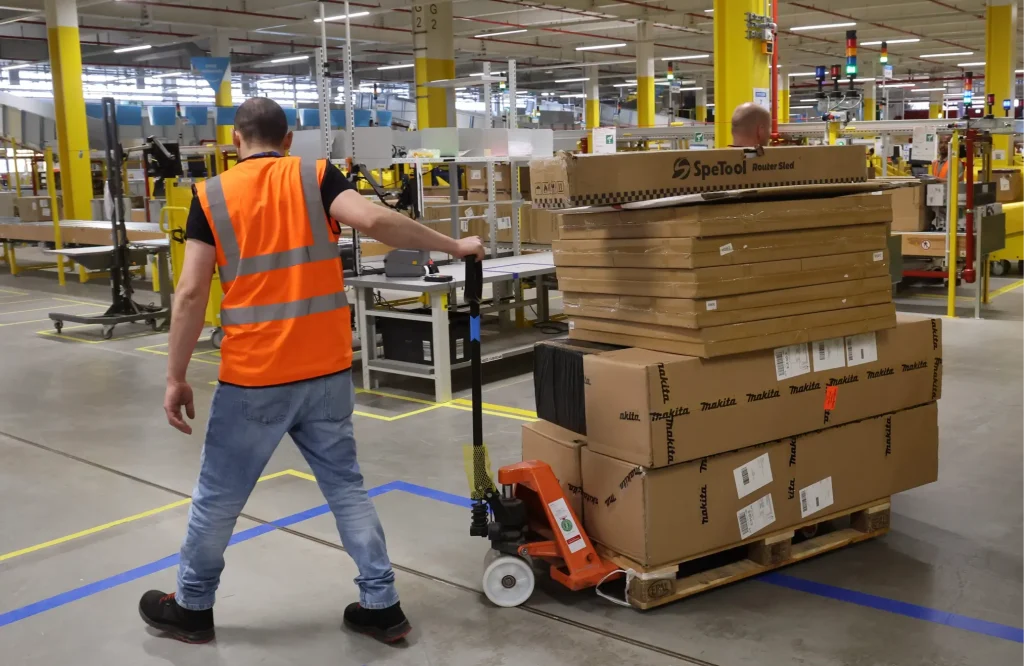
In response to the instability, Amazon has closed its Abu Dhabi fulfilment centre and temporarily suspended deliveries throughout the region. According to an internal memo seen by Business Insider, this has led to delays in both deliveries and returns for customers. Employees in affected countries, including Saudi Arabia and Jordan, have been advised to stay indoors, while many others across the Middle East are working from home. Business travel to Israel and Lebanon has also been halted. No safety incidents involving staff have been reported so far. An Amazon spokesperson emphasized, “Our priority is the safety of our employees and partners across the region, and we’re working closely with our local teams to ensure they have the support they need.”
The disruption is impacting more than Amazon’s own operations. Nearly 3 lakh third-party sellers in the Middle East rely on Amazon’s logistics network, and many are now facing shipment delays and potential order cancellations. The Abu Dhabi facility is central to Amazon’s Middle East logistics, which includes marketplaces in Saudi Arabia, Egypt, and Turkey. Its temporary closure reduces network capacity across the region. The company has also placed additional operational support on standby to help manage the disruption.
The operational disruptions follow coordinated airstrikes by the US and Israel on 28 February targeting multiple Iranian cities. These strikes hit military command centres, air-defence systems, missile sites, and key regime infrastructure, resulting in the death of Iranian Supreme Leader Ayatollah Ali Khamenei and four senior military and security officials. The events highlight how quickly geopolitical tensions can affect global supply chains and international operations, impacting businesses, employees, and customers alike.
