


The reported death of Ayatollah Ali Khamenei, who led Iran for nearly 37 years as its Supreme Leader, has left the country at a critical political crossroads with far-reaching implications for both domestic governance and regional stability.
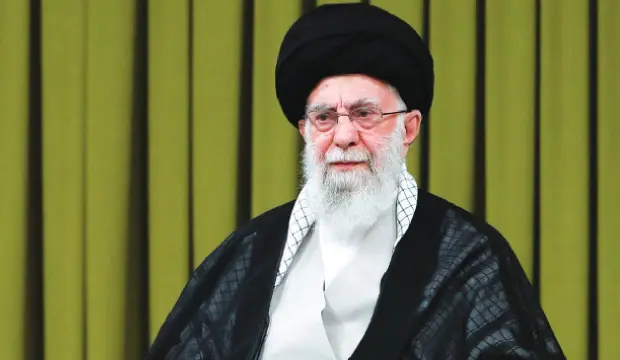
As the ultimate authority in Iran’s theocratic system, Khamenei’s loss creates a leadership vacuum that Tehran must now fill under constitutional provisions.
In the immediate term, a temporary leadership council comprising key figures including President Masoud Pezeshkian, judiciary chief Gholamhossein Mohseni Ejei and Guardian Council cleric Ayatollah Alireza Arafi has assumed authority to govern until the Assembly of Experts selects a new Supreme Leader.
The transition is unfolding amid escalating conflict with the United States and Israel, intensifying geopolitical pressure on Tehran. Analysts warn that the Islamic Revolutionary Guard Corps (IRGC) and conservative elites could consolidate influence during the succession process, potentially shaping a harder-line leadership outcome.
How the clerical establishment manages this shift, balancing constitutional procedure, internal power dynamics and ongoing tensions, will influence Iran’s future direction and its role in regional politics.
