


The National Highways Authority of India (NHAI) has unveiled a first-of-its-kind initiative to develop pollinator-friendly “bee corridors” along stretches of national highways. The project aims to support bee populations and other vital pollinators by planting native flowering vegetation along highway verges, medians and green belts to provide food, habitat and movement pathways for pollinating species.
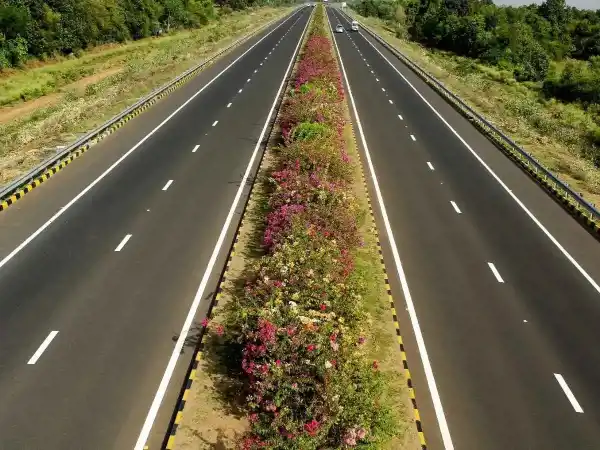
Native species of trees and plants, including Neem, Karanj, Mahua, Palash, Bottle Brush, Jamun, and Siris, will be planted.
Bees and other pollinators are essential for healthy ecosystems and agricultural productivity, playing a crucial role in the reproduction of flowering plants and crops. However, pollinator populations have been declining globally due to habitat loss, pesticide use and climate pressures. By creating dedicated ecological corridors alongside transport infrastructure, NHAI hopes to enhance urban and rural biodiversity while contributing to environmental sustainability goals.
Experts say such green buffers can also improve roadside aesthetics, reduce dust and noise, and support overall ecosystem services. The bee corridor pilot is expected to be implemented on select national highways initially, with plans for scaling up based on early results. NHAI’s effort reflects a growing recognition of infrastructure development that harmonises ecological conservation with national growth objectives.
If successful, the model could serve as a blueprint for integrating pollinator-friendly landscapes into other infrastructure projects across India.
