


Tata Sons chairman N Chandrasekaran is taking a more hands-on role at Tata Consultancy Services (TCS) to guide India’s largest IT company through a critical phase, ensuring the group’s biggest cash generator remains secure as artificial intelligence threatens traditional business models, according to sources familiar with the matter. The renewed focus includes positioning TCS as the default AI partner for Tata Group companies and exploring acquisitions of AI-focused startups to accelerate its shift toward AI. “The legacy business model of TCS cannot remain as it was,” said an executive close to the matter. “Chandrasekaran has instructed his team to do whatever it takes to grow and protect its position.”
Preparing for an AI-Driven Future
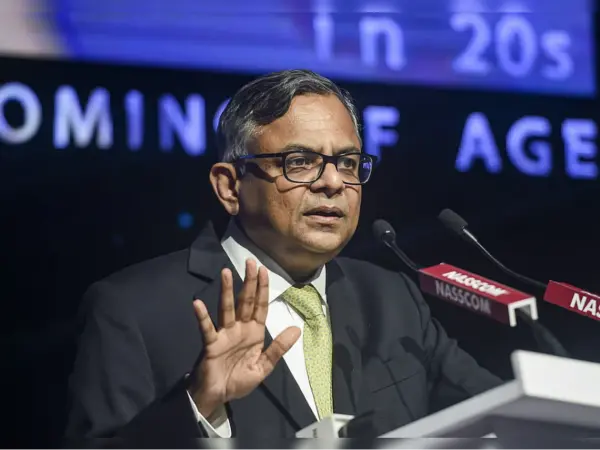
Addressing more than 700 employees at a company event in Dubai over the weekend, Chandrasekaran emphasized the need for continuous upskilling to meet the challenges posed by AI. Tata Group depends heavily on TCS dividends to support its diverse businesses, making the company’s global relevance a top priority for Tata Sons. As technology and client demands shift rapidly, TCS has become a central focus, with Chandrasekaran closely steering its growth strategy.
Trusted Leadership Team
TCS CEO K Krithivasan and COO Aarti Subramanian, who worked with Chandrasekaran during his tenure as TCS chief executive, are expected to drive rigorous execution of the strategy. Meanwhile, AI research labs are climbing the value chain, with offerings like Anthropic’s Claude Cowork threatening to compete directly with legacy IT services, potentially impacting TCS’ global standing if decisive action is not taken.
Market Signals and AI Imperative
The announcement of Claude Cowork triggered a sharp selloff in Indian technology stocks on February 4, with the Nifty IT index dropping 8% and wiping out nearly Rs 2 lakh crore in market value. TCS shares fell to a five-year low, though they have recovered modestly since. Global firms like Palantir Technologies and Goldman Sachs are already developing proprietary AI solutions or partnering with AI startups, showing that simply relabeling IT services as AI services won’t suffice. Companies must innovate, build new capabilities, and adapt their operating models to remain competitive.
Strategic Moves and Investments
Since Chandrasekaran took charge at Tata Sons in 2017, and previously as TCS CEO from 2009, he has remained closely involved in the company’s direction. As of 2024, Tata Sons holds 71.74% of TCS, with roughly 80% of its dividend income coming from the IT services giant. TCS has pursued multiple strategic moves: acquired Coastal Cloud, a Salesforce consulting firm, for $700 million, its largest purchase to date; bought US-based ListEngage for $72.8 million, marking its first acquisition in nearly a decade; formed a $2.1 billion joint venture with TPG to build data centers in India; and focused on workforce rationalization, data infrastructure, and consulting-led services.
Industry Perspective
Experts note that TCS faces unique challenges as the largest Indian IT provider. Pareekh Jain, CEO of EIIR Trend, said, “Other IT firms are putting pressure on TCS in its core large-deal segments. The company is caught between traditional strengths and emerging competition. The pace of restructuring must accelerate to lead in AI-led disruption.” Yugal Kishore of Everest Group added that TCS’ application maintenance business is under compression and facing pressure from peers. “While TCS continues to win large deals globally, its delivery-led model is under strain. Account teams have let go of resources without backfills, showing the need for a faster, more proactive response.”
