


Saudi Arabia has quietly eased its decades-old strict ban on alcohol for some wealthy foreign residents, opening the door to controlled sales for a select group of expatriates in Riyadh’s Diplomatic Quarter.
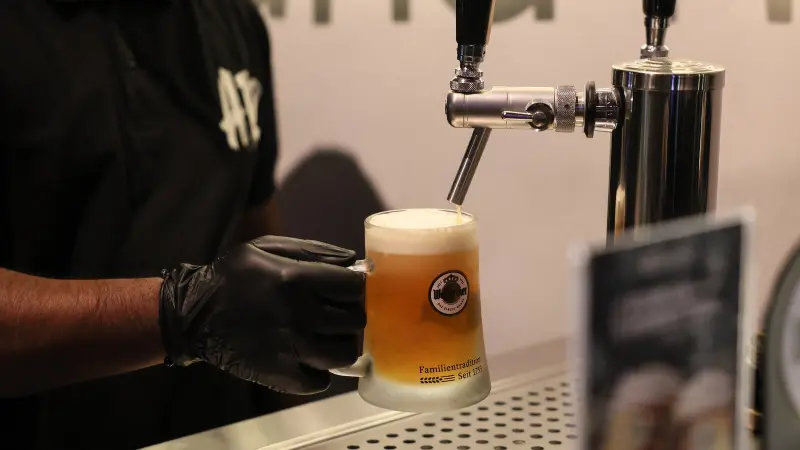
Alcohol sales were banned nationwide in 1952 under conservative interpretations of Islamic law, but the kingdom has recently begun broad social and economic reforms.
Since late 2025, affluent non-Muslim foreign residents, including those holding Premium Residency permits or earning a high monthly income, can now legally purchase beer, wine and spirits at a discreet, licensed outlet in the capital.
To qualify, expatriates must either hold a Premium Residency permit, typically granted to senior executives and investors at a substantial annual fee, or demonstrate a minimum salary threshold. They must present residency documentation showing religion and status to gain entry to the outlet.
While the change remains subtle and targeted, it reflects a broader push under Crown Prince Mohammed bin Salman’s Vision 2030 agenda to modernise social norms, attract foreign investment, promote tourism, and position the kingdom as a more open and investment-friendly society. The policy has not yet been officially announced, and tourists remain excluded from the relaxed rules.
Observers suggest this cautious experimentation with alcohol policy may gradually expand as Saudi Arabia balances tradition with economic diversification.
