


India’s highways sector has expanded rapidly over the past decade, with road spending surpassing ₹2.8 lakh crore in FY25 and expected to remain high in FY26. With the scale largely achieved, the focus in the upcoming budget is anticipated to shift from expansion to efficiency, quality, asset longevity, faster project execution, industry health, and diversified financing.
Quality and Skill Development
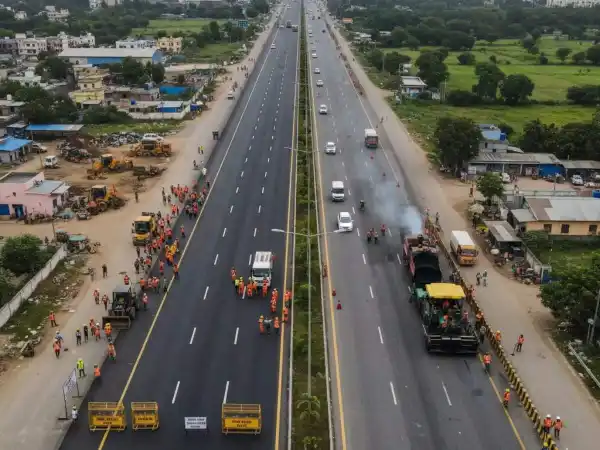
Ensuring high-quality construction requires more than technical standards and contractual penalties. The real challenge lies in skilled manpower, talent development, and mechanisation. The budget is expected to support industry-wide capability building through training programs, fiscal incentives for modern equipment, and structured skilling for operations and maintenance.
Operational Expenditure and Maintenance
India’s infrastructure investment has traditionally been capital-heavy, with operating expenditure (OpEx) forming a small fraction. A more sustainable approach would increase OpEx to 20–25% of highway spending by 2030, ring-fencing maintenance for critical corridors, expanding performance-based O&M contracts, and incentivising states and concessionaires to invest in long-term upkeep. Timely maintenance reduces reconstruction costs and creates new employment opportunities.
Bharatmala Pariyojana Focus
The corridor-based Bharatmala Pariyojana has transformed highway development. Prioritising nearly completed projects, fast-tracking land acquisition and clearances, and measuring success by commissioned projects and economic benefits realized could unlock significant value beyond kilometres constructed.
Procurement Reform
The traditional L1 (lowest bid) procurement model prioritizes cost over value, often leading to disputes, delays, and lower innovation. Moving toward performance- and output-based specifications, encouraging sustainable design and accountability, and conducting thorough bidder due diligence can reward durability, reliability, and innovation while reducing transaction costs.
Financing and Credit Enhancements
Infrastructure financing in India relies heavily on domestic banks, which are constrained by sectoral caps and risk aversion. The upcoming budget should promote a wider ecosystem of financial products, including guarantees, insurance, currency hedging, and credit enhancement mechanisms, to attract both domestic and international capital. While the National Bank for Financing Infrastructure and Development (NaBFID) is a step forward, additional market-driven solutions are needed to meet the growing funding demands.
By focusing on quality, maintenance, completion metrics, procurement reform, and diversified financing, India’s highways sector can achieve more productive, sustainable, and long-term growth over the next decade.
