


The northeastern Indian state of Assam is widely known as the “Tea Garden of India”, a title earned through its vast stretches of lush tea plantations and its dominant role in the country’s tea industry. Nestled along the fertile plains of the Brahmaputra Valley, Assam offers ideal natural conditions for tea cultivation, including rich alluvial soil, heavy rainfall and a warm, humid climate.
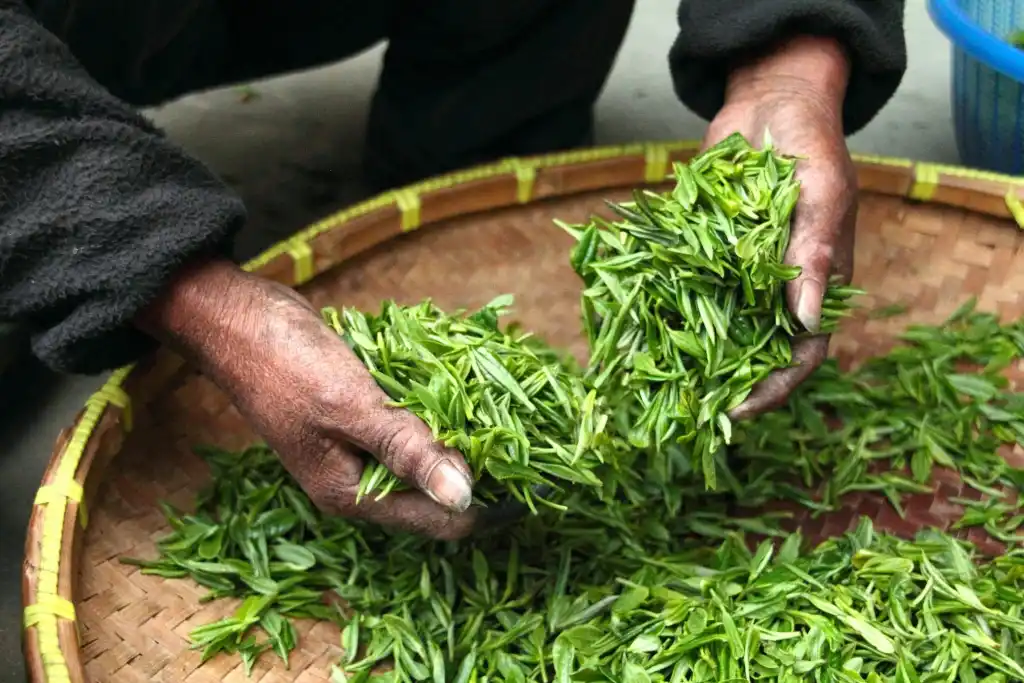
Assam is one of the world’s largest tea-producing regions and contributes a significant share of India’s total tea output. The state is especially famous for its strong, malty and full-bodied Assam tea, which is highly valued in global markets and commonly used in breakfast tea blends worldwide.
Tea cultivation in Assam dates back to the early 19th century, shaping the region’s economy, landscape and cultural identity. The sprawling tea estates not only provide employment to thousands of workers but have also become major tourist attractions, offering visitors scenic views, heritage bungalows and insights into traditional tea-making processes.
Beyond its economic importance, Assam’s tea gardens symbolise the state’s deep connection to nature, colonial history and sustainable agriculture, reinforcing its reputation as the true tea heartland of India.
