


A prominent gig workers’ union has pushed back against claims made by Zomato CEO Deepinder Goyal regarding the earnings and benefits of the company’s delivery partners, in a move that highlights ongoing tensions in India’s rapidly evolving gig economy.
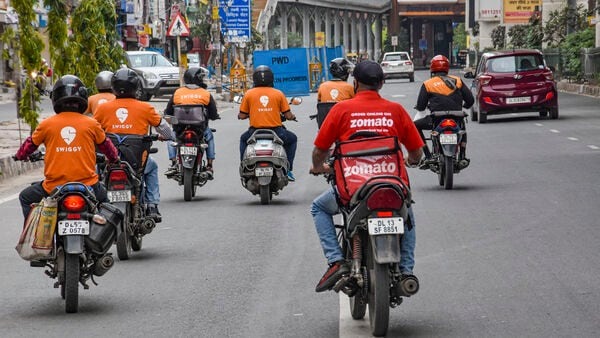
Goyal had earlier stated that Zomato delivery partners earn competitive pay and enjoy various benefits. However, the union disputed several of these assertions, noting that many delivery workers lack access to paid leave, comprehensive accident coverage, and other essential protections. The union’s fact check suggests that actual take-home earnings and worker welfare vary significantly across cities and shifts, and that the platform’s current support structures may not fully safeguard delivery partners during emergencies or downtime.
Gig economy experts say the debate underscores a broader challenge in India’s digital labour market: balancing flexible, app-based work with fair labour standards and social security. While platforms like Zomato provide earnings opportunities, critics argue that minimum wage norms, statutory benefits and safety nets, common in traditional employment, are often absent or inadequate for gig workers.
The union’s response has reignited discussions on labour rights, prompting calls for clearer regulations and improved welfare frameworks for gig workers nationwide. As India’s gig workforce grows, the conversation around equitable compensation and worker protections continues to gain prominence in public and policy forums.
