


Warfare in the 21st century looks very different from the era of World War I and II. Traditional ground battles have given way to stealth aircraft, drones, and networked weapons. Nations are now racing to develop sixth-generation combat systems, investing heavily in intelligent and precision-driven military technologies.
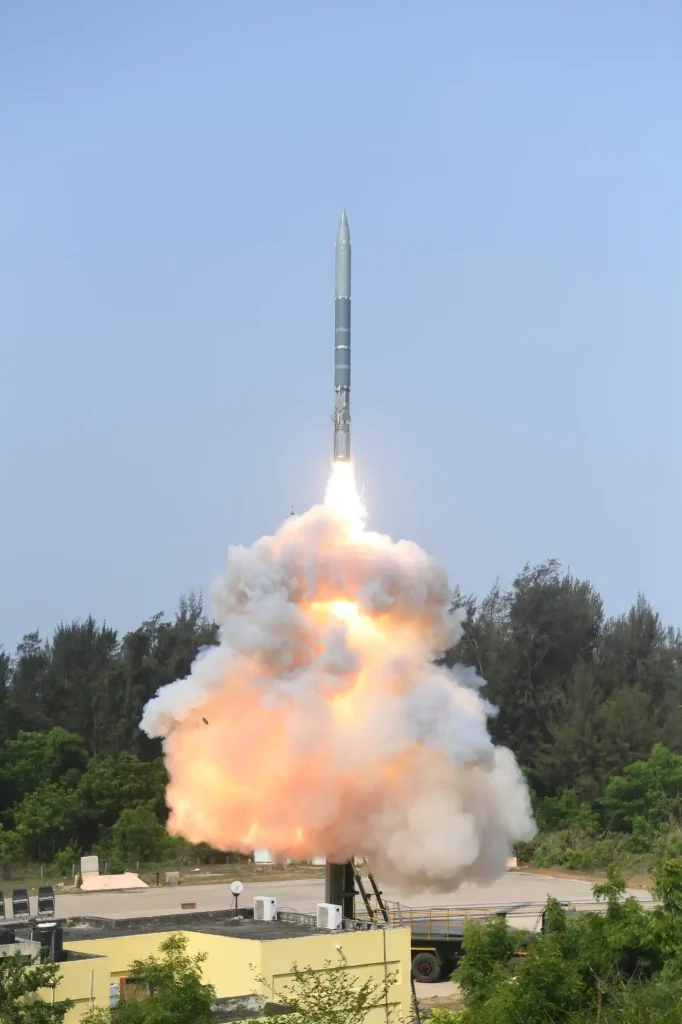
India Accelerates Advanced Weapons Development
India is firmly part of this transition. The government recently cleared the Advanced Medium Combat Aircraft (AMCA) project with an initial allocation of ₹15,000 crore to develop fifth- and sixth-generation capabilities. Alongside fighter jets and unmanned platforms, missile systems have emerged as a critical focus.
A Missile Designed to Verify Before Striking
According to defence sources, India is developing a new missile for the Indian Air Force that does more than simply lock onto a target. The weapon will verify the target, seek confirmation for the strike, and only then carry out the attack. This approach is intended to improve precision and reduce unintended damage.
DRDO’s Next-Generation Cruise Missile Concept
The Defence Research and Development Organisation is working on a next-generation cruise missile with an estimated range of around 250 kilometres. The system combines conventional cruise missile firepower with the ability to loiter over a target area and conduct real-time surveillance.
Human Control at the Final Stage
Unlike existing cruise missiles that follow a pre-set path once launched, the new system allows a weapons systems officer to approve the strike after visually confirming the target. If confirmation is not given, the missile will not engage. This “man-in-the-loop” control is aimed at reducing mistaken strikes and civilian casualties.
Why It’s Seen as More Advanced Than BrahMos
The key difference lies in decision-making. Current missiles such as BrahMos and the Agni series strike automatically once launched. The new missile introduces a pause for verification, ensuring that the final decision rests with human operators while retaining high lethality against intended targets.
Flexible Design and Broad Strike Capability
The missile is expected to carry a warhead of at least 50 kilograms and feature a modular design that allows different seekers and guidance systems to be fitted. It will be capable of engaging both land and sea targets, including fixed installations, mobile assets, warships, and logistical vessels.
Towards Smarter and Safer Strike Warfare
By integrating live surveillance, human decision-making, and precision guidance, India is moving toward a new generation of intelligent strike weapons. If successful, the missile could significantly enhance the Indian Air Force’s ability to conduct controlled, high-impact operations while minimising collateral damage in future conflicts.
