


Mohammed bin Salman, widely known as MBS, remains one of the most influential and affluent rulers in the world as of 2025, combining political authority with substantial personal wealth and royal privileges.
Estimates suggest his personal net worth runs into the tens of billions of dollars, although not all assets are directly in his name, making exact figures difficult to confirm. His control over key economic levers in Saudi Arabia, including oversight of sovereign wealth and state institutions, amplifies his power and financial reach beyond conventional billionaire status.
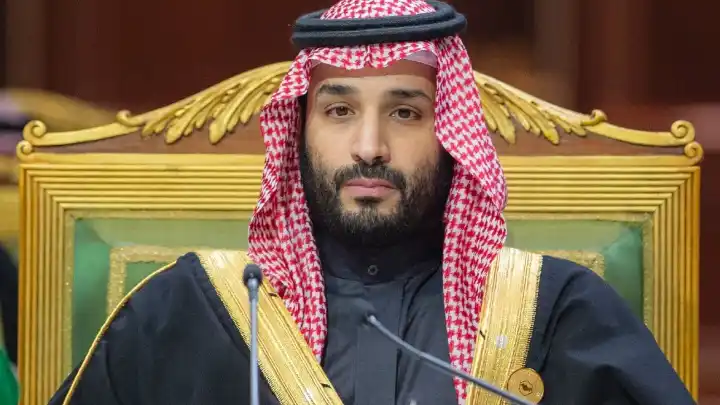
MBS’s lifestyle reflects his wealth: he reportedly owns luxury super-yachts, private jets, lavish estates, and a fleet of high-end vehicles. Among his known assets is the yacht “Serene,” a floating palace with features that include helipads, luxury cabins, and leisure amenities. He is also believed to own palatial residences, including European properties, and has been linked in past reports to high-profile art acquisitions, symbolizing the convergence of royal privilege and luxury lifestyle.
On the political front, MBS is the de facto ruler of the kingdom. His decisions shape Saudi economic, foreign-policy, and social, including cultural, directions. Under his leadership, reforms have seen large-scale modernization efforts, even while sparking both domestic and international debate owing to the concentration of power and instances of political crackdowns.
The dichotomy of MBS’s life, one of extraordinary wealth, state control, and global influence, continues to draw global attention. His blend of modern leadership and extravagant lifestyle encapsulates the complexities of power, privilege, and governance in a changing world.
