


Simone Tata, one of the most influential figures in India’s consumer and retail landscape, passed away in Mumbai at 95. She had been recovering from an illness and was admitted to Breach Candy Hospital earlier this year after initial treatment in Dubai. She is survived by her son Noel, daughter-in-law Aloo Mistry, and grandchildren Neville, Maya, and Leah.
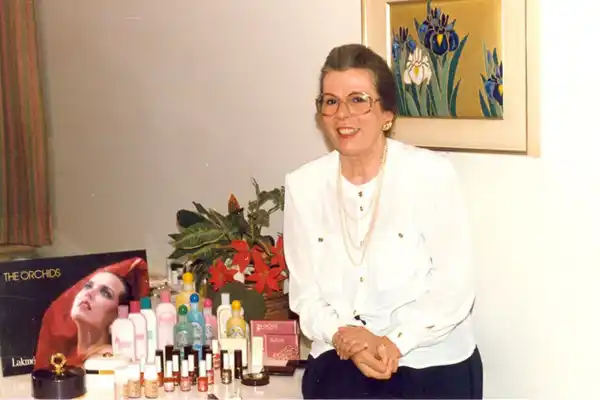
Her life carried a steady sense of purpose, a calm resilience, and an instinct for recognising possibilities long before the market did. That mix shaped two major chapters in Indian business: homegrown beauty and modern fashion retail.
Early years and an unexpected journey to India
Born Simone Naval Dunoyer in Geneva in 1930, she arrived in India as a tourist in 1953. A chance meeting with Naval H Tata changed the arc of her life. They married in 1955, and she made Mumbai her home. She became a mother not only to their son Noel but also to Ratan Tata and Jimmy Tata from Naval’s earlier marriage.
Her professional story began soon after. Lakmé, created in 1952 on JRD Tata’s nudge and Jawaharlal Nehru’s suggestion, needed someone who could give shape to its identity in a young nation figuring out its place in the world. Simone stepped in during the early 1960s.
Building Lakmé into India’s first beauty brand
When she joined the Lakmé board in 1961, the brand was still a modest subsidiary of Tata Oil Mills. The market was untested. Cosmetics were unfamiliar to many Indian households, and global brands were far too expensive. Simone understood that the challenge wasn’t just selling makeup. The challenge was shifting attitudes.
Here’s where her strength showed. She pushed for bold advertising when the industry was still cautious. She championed products made for Indian skin tones. And she rooted Lakmé in a blend of aspiration and cultural familiarity. Shyamoli Verma with her sitar, Rekha’s iconic campaigns, Aishwarya Rai’s rise as a global face — all of that sat on a foundation Simone helped build.
By 1982, she was chairperson. Under her, Lakmé became the country’s most recognisable beauty brand.
Navigating the storm of liberalisation
The mid-1990s brought new global rivals. India had opened its markets, and competition from giants like L’Oréal and Revlon intensified. Simone didn’t wait for pressure to mount. She led Lakmé into a 50:50 joint venture with Hindustan Unilever in 1996, a move that offered both technological strength and wide distribution.
Two years later, the Tata Group sold its stake for 200 crore. Many would have ended the story there. Simone didn’t.
The pivot that reshaped Indian retail
With the proceeds from the Lakmé exit, she acquired the India operations of Littlewoods International and folded it into Lakmé’s export business. This laid the foundation for what would soon become Trent.
Renamed and restructured, Trent launched Westside — a brand that entered the market long before organised retail became mainstream in India. Simone stayed on as non-executive chairperson until 2006, helping guide an industry that was still learning to walk.
Today, Trent runs Westside, Zudio, and several other retail formats. It stands as one of India’s strongest retail companies, chaired by her son Noel.
A legacy stitched into everyday India
Simone Tata’s impact is not just in the companies she shaped but in the cultural shifts she made possible. Lakmé today has over a thousand products and hundreds of salons. It is the title sponsor of Lakmé Fashion Week, a fixture in India’s style calendar. And Trent’s retail footprint keeps expanding across the country.
The Tata Group’s message captured it well: her work blended resolve with vision, and she touched countless lives along the way.
What this really means is that Simone Tata helped India discover confidence in looking like itself. She built a homegrown beauty brand when none existed and later carved out a retail ecosystem long before the country understood its potential. Her legacy is woven into how India shops, how it presents itself, and how it sees beauty.
