


Israel Aerospace Industries (IAI), Israel’s leading defence manufacturer, is the sole remaining contender for the Rs 8,000-crore contract to supply six mid-air refuelling aircraft to the Indian Air Force. The company has confirmed its willingness to comply with India’s 30 per cent ‘Make in India’ mandate for the project.
Commitment to Local Content
Yehuda Lahav, Executive Vice President of IAI, stated that while he could not comment on where the aircraft modifications would take place, the company is fully aligned with India’s local content requirements. “In any programme where we consider ourselves a candidate, we are ready to comply,” he said, adding that IAI is committed to meeting all specific requirements for the tanker aircraft.
Plan for Modifying Aircraft
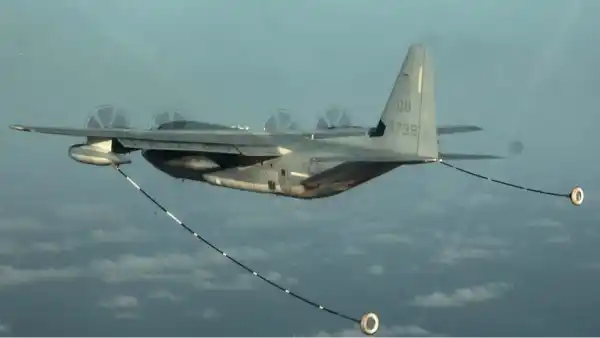
If awarded the contract, IAI will convert six second-hand Boeing 767 commercial planes into mid-air refuelling tankers for the Indian Air Force. Defence sources indicated that the aircraft will be upgraded to meet operational standards before being supplied.
Single Vendor Status
According to ANI, IAI has emerged as the only remaining vendor after Russian and European competitors were unable to meet key requirements, including the 30 per cent indigenous content requirement on the refurbished aircraft.
IAF’s Existing Fleet and Requirements
The Indian Air Force currently operates six Russian-origin Il-78 mid-air refuelling aircraft, based in Agra, which provide critical support to both fighter aircraft and naval operations. Over the past 15 years, multiple attempts to acquire six additional refueller aircraft have not succeeded due to various challenges.
Meeting Growing Operational Needs
While the IAF has recently wet-leased a tanker aircraft, the expanding demands of its operations require a larger fleet. The acquisition of new mid-air refuellers will allow the Air Force to phase out older aircraft and extend the operational hours of its modern fleet through in-flight refuelling.
Strategic Importance
This deal is seen as vital for strengthening India’s air power capabilities, ensuring that the Air Force can sustain longer missions, and maintaining strategic flexibility in both domestic and regional operations.
